What are the differences between VRF and VRV solution air conditioners? Many who ask this particular question are fond of misinterpreting the two as if they are 2 different HVAC technologies. In actual fact, the two names are 2 different terms used for the same form of rooftop systems based on HVAC technology.
Understanding VRF VRV Systems is essential for making informed decisions about HVAC technology.
The very first VRV HVAC systems were based on inverter technology compressors, and they were invented by Daikin as far back as the early 1980s. Daikin is a technology leader in the HVAC industry, and it registered the VRV term as an official trademark.
VRV stands for Variable Refrigerant Volume. Other companies using this same HVAC system however, call it VRF, which stands for Variable Refrigerant Flow. However, people tend to use VRF more than they use VRV, making the former more common. In this write-up, we will be using the two names interchangeably since they are the same.
The benefits of VRF VRV Systems include energy efficiency and flexibility in installation.
So, what is a VRF air conditioning system?
It has similarities to the Air Conditioning Systems in Rolls-Royce. The technology with which it is built is sophisticated, and it is based on several principles.
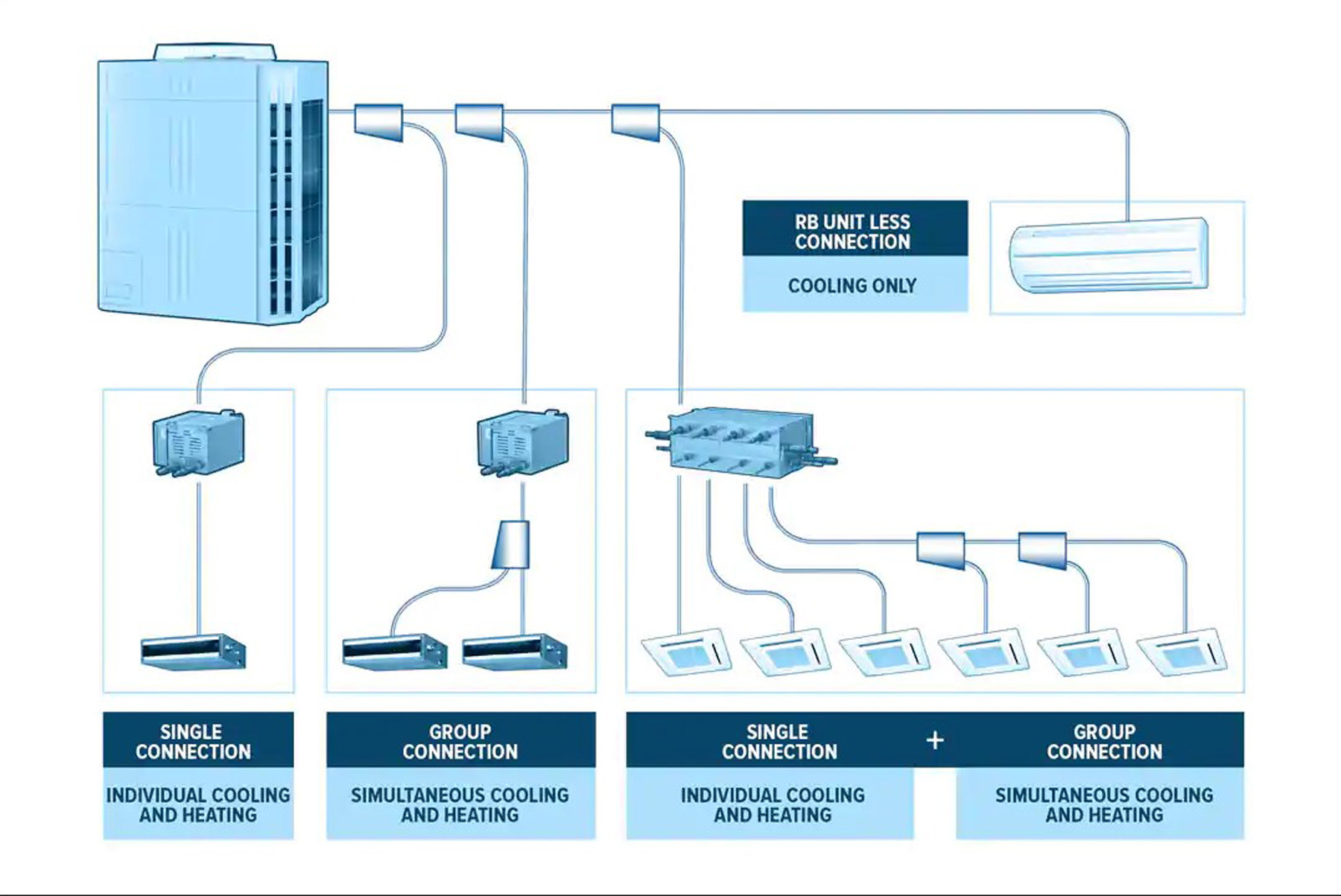
The VRF air conditioning vrf systems make use of refrigerant only as its cooling material. Some other systems, on the other hand, make use of the chilled water system. In the latter system, the refrigerant takes up the task of both cooling and heating the water that gets circulated throughout the HVAC systems.
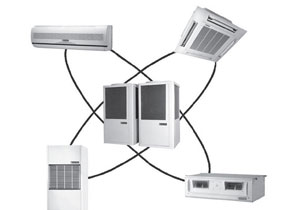
The inverter compressor included in the VRF systems allows a reduction of power consumption using partial cooling or heating loads. Also, its indoor unit includes many air handlers on the refrigerant loop or circuit. The system has the modular expansion ability, too. This makes it applicable for especially large projects, which can grow from stage to stage.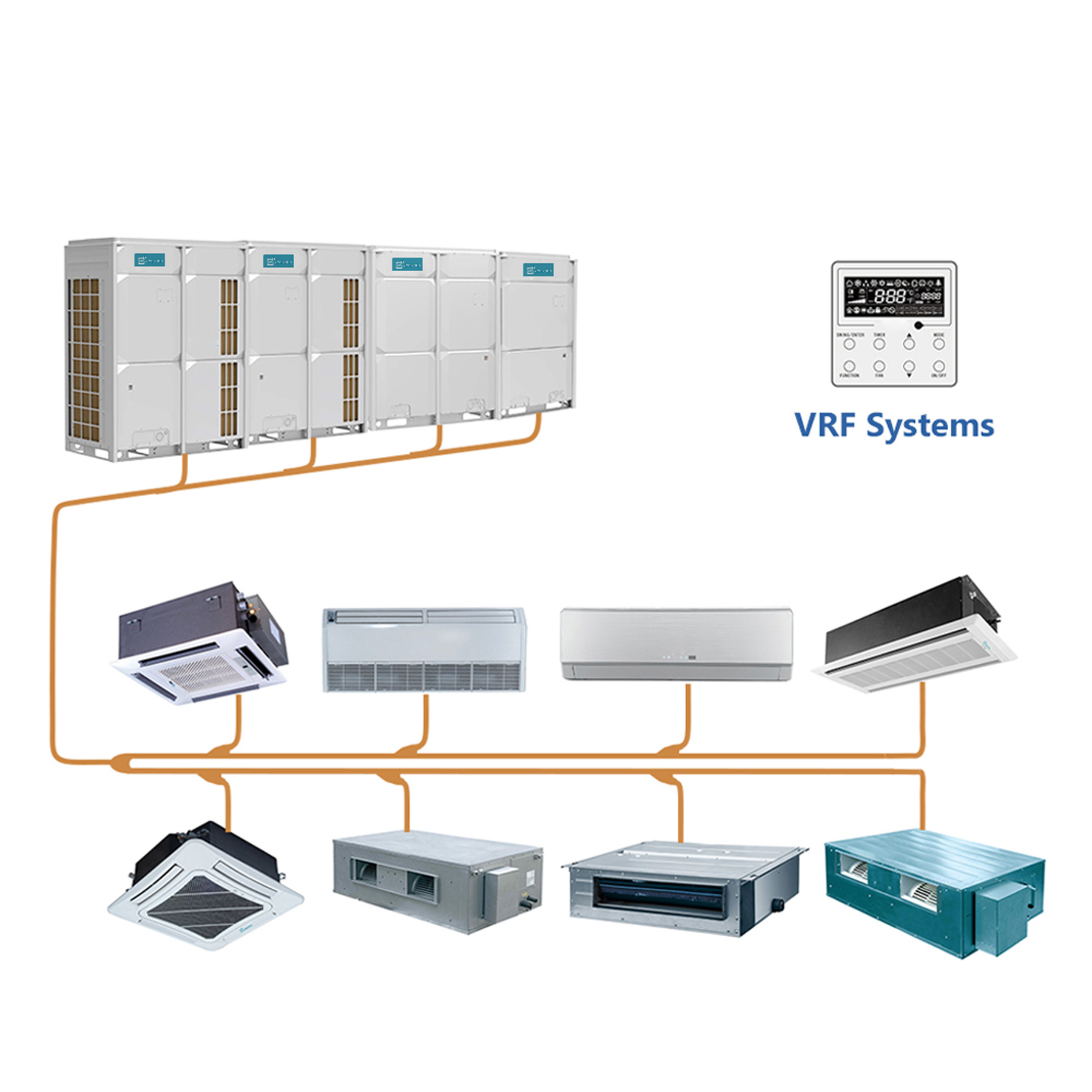
With VRF VRV Systems, users can customise their heating and cooling preferences.
The technology behind VRF VRV Systems ensures optimal performance and reliability.
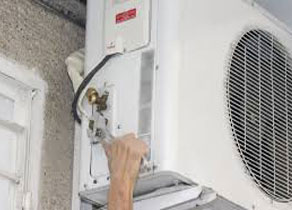
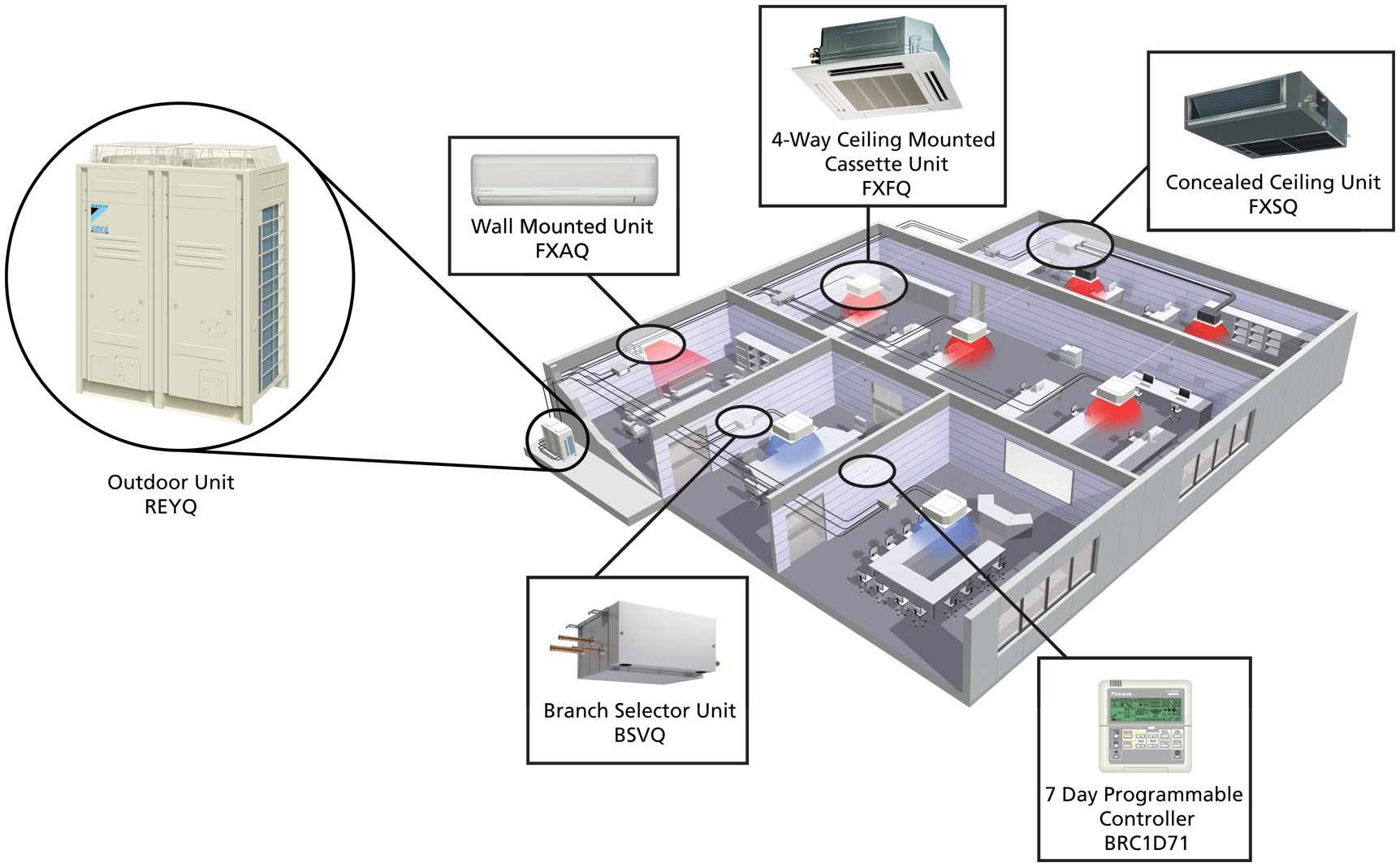
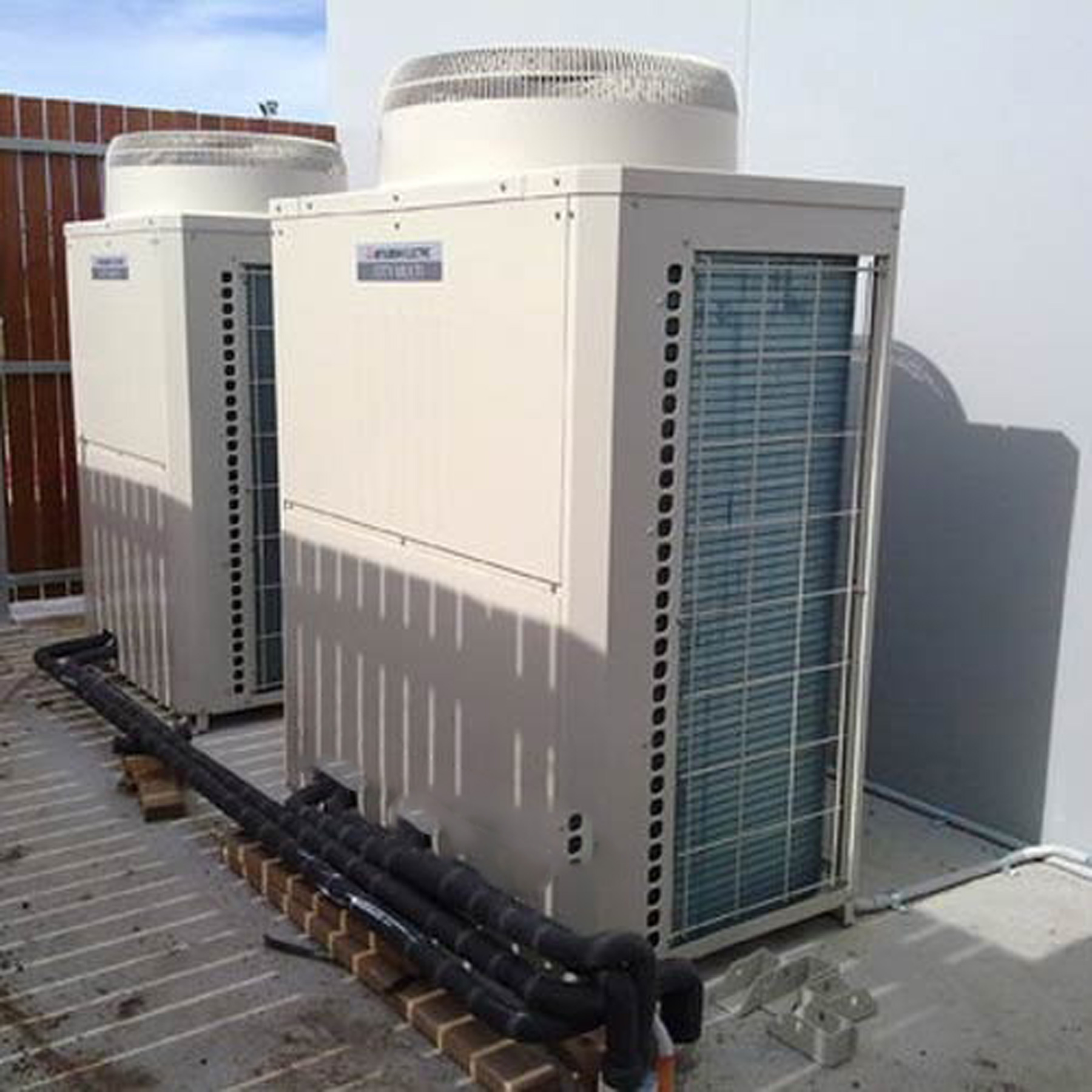
The VRV air conditioning system is made up of an indoor unit and an outdoor unit. The indoor unit is sometimes mistakenly referred to as a fan coil, while the outdoor unit comprises one or multiple compressors. Other components of the rooftop systems are communication wiring, Refnet Joints and refrigerant piping. The piping runs from the outdoor to all the indoor units.
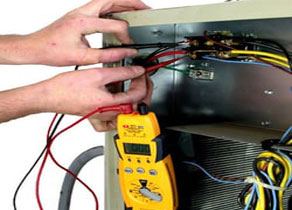
The communicating wire in the VRV and VRF solutions is made up of 2 wired cables. They are chained from the indoors to the outdoor units. They, therefore, create a kind of internal closed-loop network. This wiring is an essential part of its installation.
Choosing VRF VRV Systems can lead to significant cost savings over time.
Each of the indoor units is controlled by a wired control panel built into it. A wireless remote can be used to control it, though. Aside from the wireless remote, it can also be controlled via centralised controllers. This latter form of control enables controlling the indoor units all from the same location.
The VRV and VRF solution has its operation logic fully built in right inside the system, and it is proprietary to any VRF manufacturer. The system receives input from the end-user, who controls it in line with the desired cooling temperature.
As a result, VRF VRV Systems are becoming increasingly popular in both residential and commercial applications.
Overall, VRF VRV Systems offer advanced solutions for modern air conditioning needs.