What Are the Signs of an HVAC System That’s Too Loud? (London Homeowner’s Guide)
If your HVAC system has suddenly become louder than usual, it’s not something to ignore.
With 20 years of experience as a City & Guilds-qualified HVAC engineer, working on mini-splits and rooftop units across mixed climates, I’ve seen one thing time and time again:
👉 Noise is often the first sign your HVAC system needs attention.
If you’re searching for HVAC noise repair in London, this guide will help you understand what’s normal, what’s not, and when to call an engineer.
Is It Normal for an HVAC System to Be Noisy?

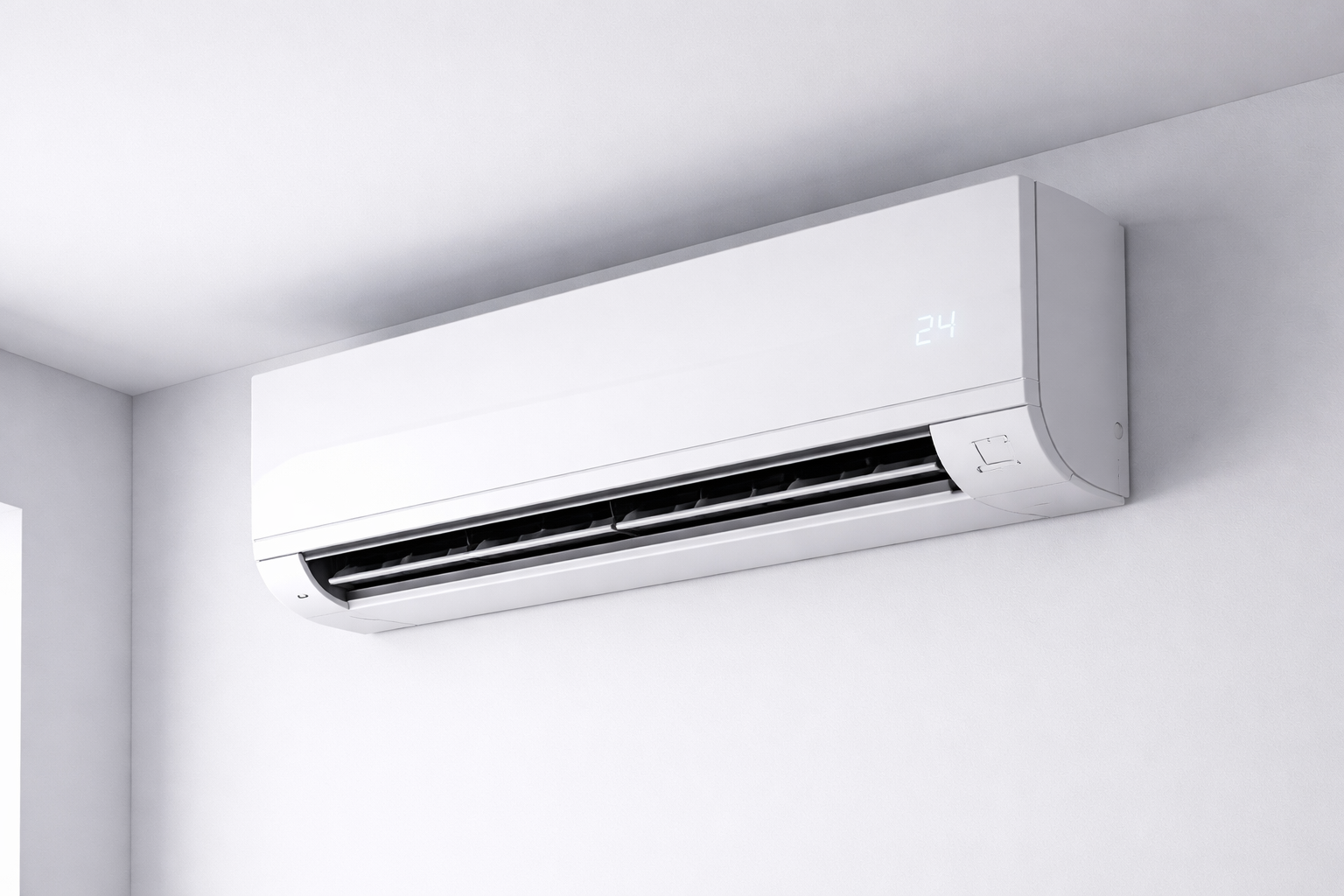

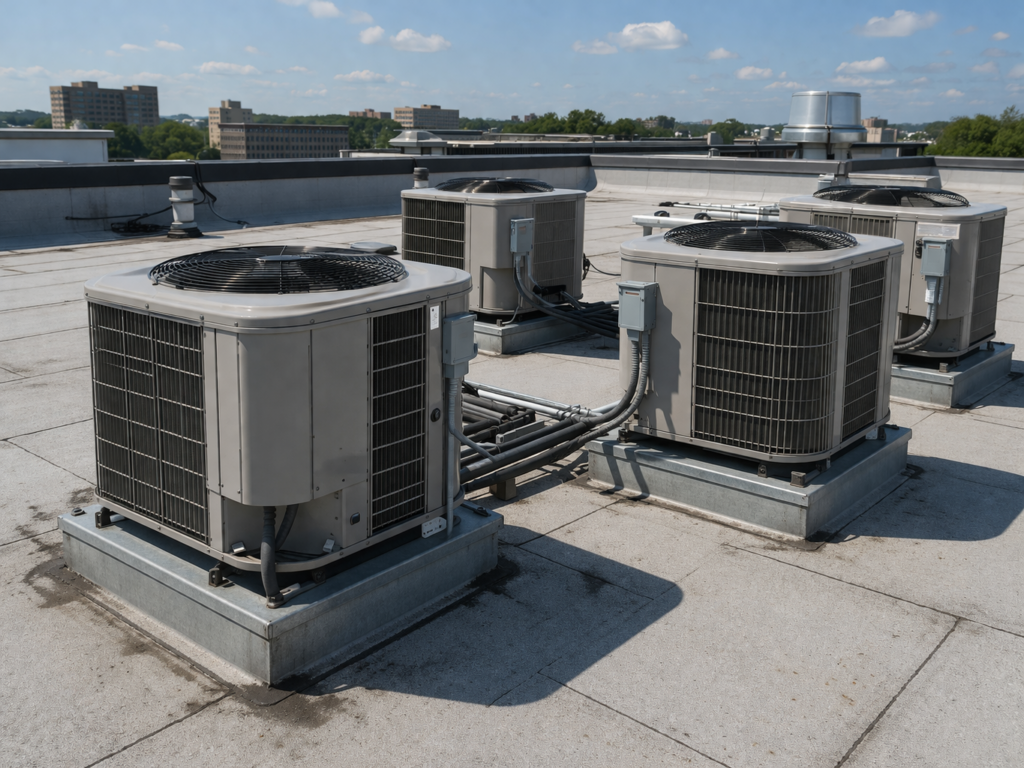
Not all HVAC noise is a problem.
In normal operation, you’ll hear:
- A soft humming sound
- Airflow through vents
- Slight noise during startup
From experience, systems are often loudest when starting up—and that can be completely normal.
👉 The key difference:
-
- Normal noise = consistent and expected
- Problem noise = loud, unusual, or recurring
Signs Your HVAC System Is Too Loud
If you’re dealing with a noisy system in London, these are the most common warning signs I encounter on service calls.

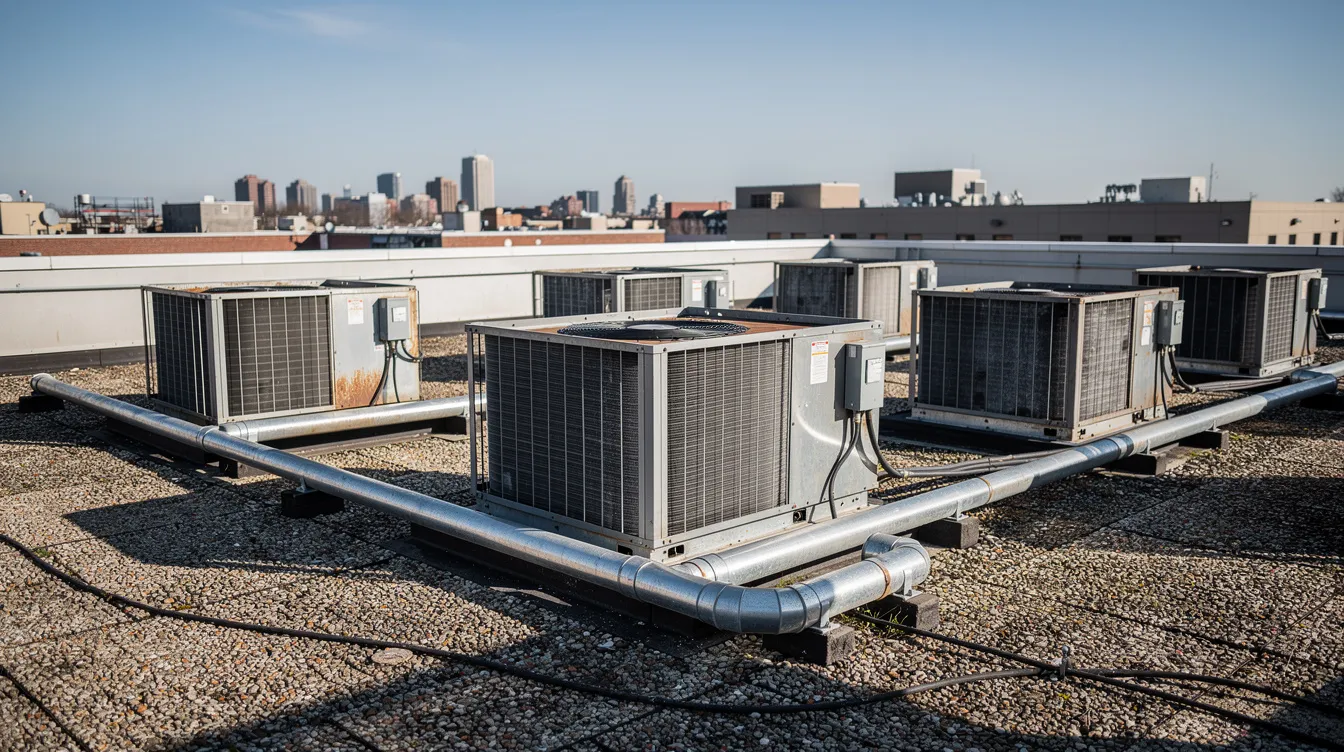
1. Loud Banging or Clanking Sounds
This is a major red flag.
- Usually caused by loose or broken components
- Often happens during startup
- Requires immediate HVAC repair
👉 In London homes, I treat banging and hissing noises as urgent issues.
2. Rattling or Vibrating
Very common in both homes and commercial rooftop units.
- Loose panels or fittings
- Poor installation or mounting
3. Grinding Noises
Almost always mechanical failure.
- Motor issues
- Internal wear
👉 If you hear grinding, switch the system off and call an engineer.
4. Squealing or High-Pitched Sounds
Usually caused by:
- Worn or faulty mechanical parts
- Failing motors
5. Buzzing or Electrical Noise
Often, it is an electrical fault.
- Faulty components
- Wiring issues
6. Whistling or Airflow Noise
Typically, an airflow problem.
- Dirty or blocked filters
- Restricted airflow
👉 One of the most common issues I see—and one of the easiest to fix.
7. Loud or Constant Humming
A quiet hum is normal. A loud one isn’t.
- Electrical or mechanical strain
- Early warning of failure
What Causes a Noisy HVAC System?
From real-world experience working across London properties:
- 50% → Lack of maintenance
- 20% → Motor or blower issues
- 20% → Compressor/mechanical faults
- 10% → Loose components
👉 The biggest issue?
Poor maintenance is the leading cause of HVAC noise problems.
What Are the Signs of an HVAC System That’s Too Loud?
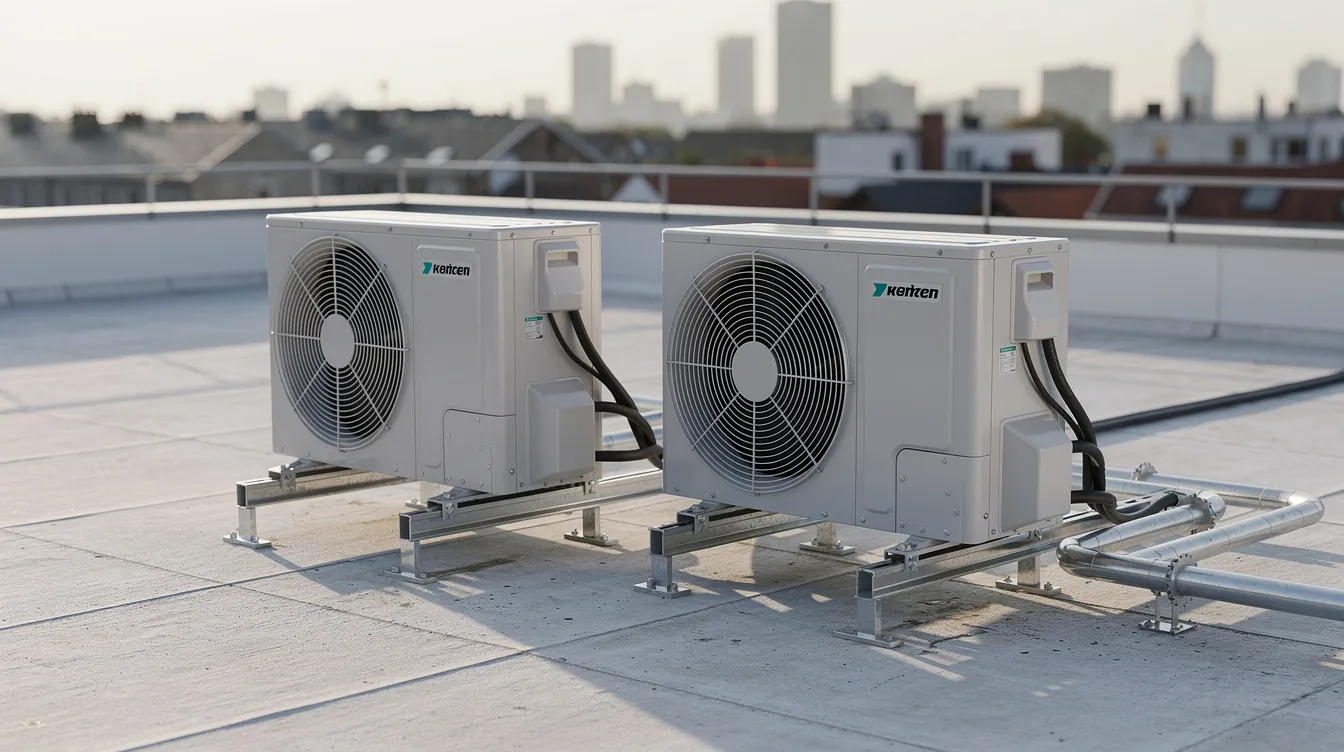
When attending a noisy HVAC repair in London, my first step is always:
👉 Check the fans and motors
These components are responsible for a large percentage of noise issues and often reveal the problem quickly.
Real Examples From HVAC Jobs
🔧 Loud Startup Bang
- Cause: Loose internal component
- Risk: Could lead to major damage if ignored
🐭 Unexpected Noise Source
- Issue: Mice inside the indoor unit
- Result: Rattling and scratching sounds
⚠️ Minor Noise → Major Repair
- Small rattling ignored
- Turned into a costly repair
👉 This is why early diagnosis matters.
Common Mistakes Homeowners Make
❌ Assuming Every Noise Is a Fault
Some noise is normal—especially during startup.
❌ Ignoring Unusual Sounds
Unusual or recurring noises are warning signs.
❌ Attempting Unsafe DIY Repairs
Never attempt to fix:
- Refrigerant (gas)
- Pipework
- Electrical systems
👉 Always call a qualified HVAC engineer.
What You Can Check Before Calling for HVAC Repair in London
You can safely:
- ✅ Clean or replace the air filter
- ✅ Reset the unit at the isolator
- ✅ Check for loose panels or fittings
- ✅ Ensure the unit is mounted properly
- ✅ Check safety switches
How to Prevent HVAC Noise Problems

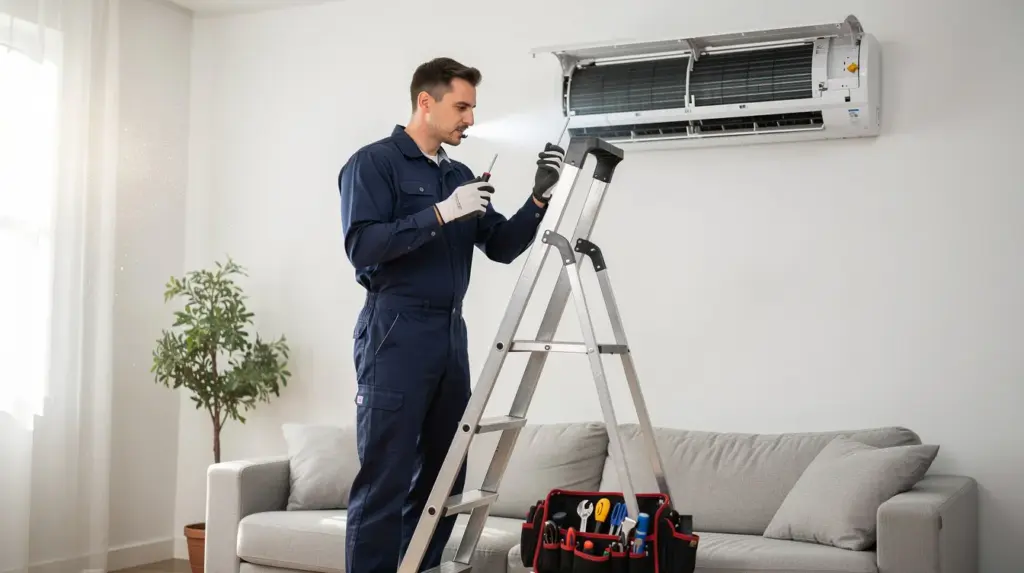
Prevention is always better than repair.
Key Tips:
- Regular servicing and inspection
- Keep filters clean
- Check for loose fittings
- Schedule professional maintenance
👉 In London, I recommend at least one service per year as a baseline.
When Should You Replace a Noisy HVAC System?
- Around 10+ years old, systems become:
- Louder
- Less efficient
- More prone to faults
👉 If your system is noisy and ageing, replacement may be more cost-effective than ongoing repairs.
HVAC Noise Repair in London – When to Call an Engineer
Call a professional immediately if you hear:
- Banging
- Grinding
- Hissing
- Loud electrical buzzing
👉 If in doubt:
- Switch the system off
- Check for obvious issues
- Contact a qualified engineer
FAQs About Noisy HVAC Systems
Can I leave a noisy HVAC system running?
→ Not if the noise is unusual or getting worse.
Is a loud HVAC system dangerous?
→ It can be—especially with mechanical or electrical faults.
Do all HVAC systems make noise?
→ Yes—but not all noise is normal.
Final Advice From a 20-Year HVAC Engineer
👉 Regular maintenance is the key to a quiet HVAC system.
👉 Unusual noise = early warning sign
👉 Professional intervention matters more than most people realise
If you’re experiencing issues and searching for HVAC noise repair in London, don’t wait until it becomes a bigger problem.
📍 Need Help With a Noisy HVAC System in London?
If your system is making unusual noise, it’s always best to get it checked early.
- Fast diagnosis
- Safe repairs
- Long-term system protection
- Published by Mo 5th April 2026
👉 Contact a qualified HVAC engineer in London today – Email Us